
Estimated Reading Time: 6 minutes
When I first started flight training, I thought I had picked the right school.
Good instructors. Friendly environment. It felt like the perfect place to learn how to fly.
Everything started off exactly how I expected. Lessons were consistent, progress felt steady, and I looked forward to every flight.
And then something changed.
The Problem I Didn’t See Coming
It wasn’t the instructors. It wasn’t the training. It wasn’t even the cost.
It was the aircraft.
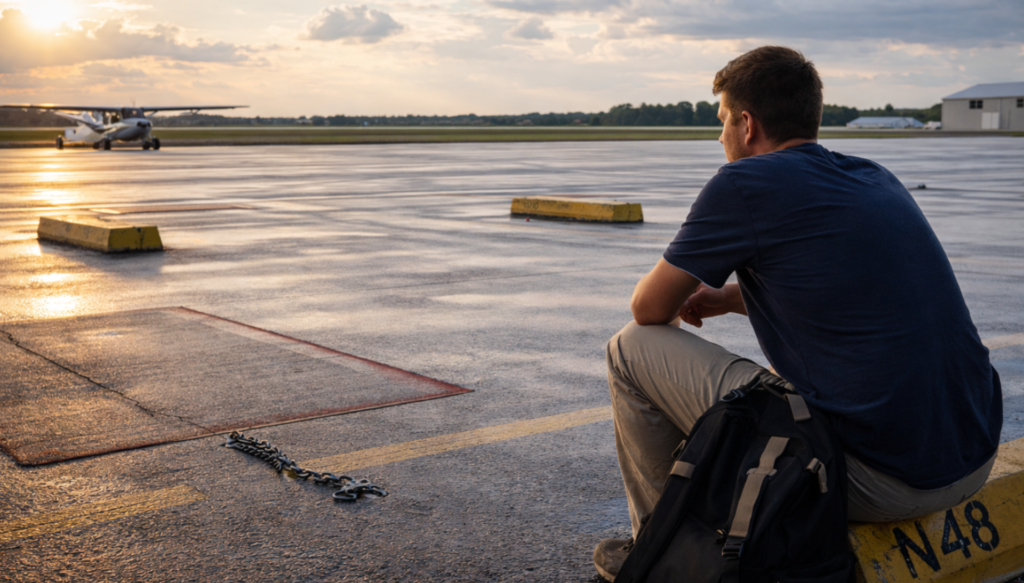
As training progressed, it became harder to get on the schedule. Aircraft were booked more often, and when one went down for maintenance, everything seemed to back up.
What started as consistent flying slowly turned into waiting days… then weeks… and then rescheduling again.
At some point, I realized this wasn’t just my experience — it’s something that happens at many growing flight schools.
When Waiting Starts Costing You Flight training depends on consistency.
When you fly regularly, skills build naturally. You improve faster, stay confident, and keep momentum.
But when there are long gaps between lessons, everything changes.
You come back a little rusty.
You repeat maneuvers.
You lose progress.
And over time, it can increase the overall cost of training — not because of poor instruction, but because of inconsistent access to the aircraft.
Looking back, I didn’t need more instruction.
I simply needed more opportunities to fly.
Why Students Really Choose a Flight School
From the outside, most students choose a flight school based on price, location, or reputation.
But one factor often becomes the most important once training begins:
Availability.
Even the best instructors can’t teach if students can’t get scheduled.
Even the best programs struggle if aircraft are limited.
At the end of the day, students stay where they can consistently fly.
The Schools That Get It Right
The strongest flight schools understand that growth can sometimes create these kinds of challenges.
As enrollment increases, aircraft availability becomes even more important to maintain a smooth training experience.
Successful schools focus on:
- Keeping students flying consistently
- Maintaining flexibility in their schedules
- Planning ahead for maintenance and downtime
Because they understand that student experience is built on access.
Where Fleet Strategy Makes the Difference
One of the biggest challenges schools face is expanding fleet capacity without taking on too much financial risk.
Owning aircraft comes with significant upfront investment and long-term exposure to maintenance costs, including major events like engine and propeller overhauls.
This is where more flexible solutions can make a difference.
With partners like Eye Candy Aviation, flight schools can expand their fleets while maintaining operational control. Schools continue to handle day-to-day use and inspections, while Eye Candy Aviation covers major lifecycle costs such as engine and propeller overhauls — provided the aircraft has been properly maintained and not neglected.
This allows schools to:
- Keeping students flying consistently
- Maintaining flexibility in their schedules
- Planning ahead for maintenance and downtime
The Difference One Aircraft Can Make
Looking back, something as simple as adding another aircraft could have made a meaningful difference in my experience.
It could have meant:
- More availability
- Fewer delays
- Steady progress
- A more efficient training timeline
Instead of waiting between lessons, I could have stayed in rhythm and progressed more smoothly.
A Better Experience for Students
Most flight schools are doing their best to provide a great training experience.
But as schools grow, it becomes even more important to ensure that aircraft availability keeps pace with demand.
Students may not always remember every lesson — but they do remember how often they were able to fly.
And when training feels consistent, everything improves.
Because in the end, flight training works best when students are in the air.