
Estimated Reading Time: 6 minutes
When flight schools think about costs, the focus is usually on fuel, maintenance, insurance, and financing. What often gets overlooked is one of the most expensive scenarios of all: an aircraft that isn’t flying.
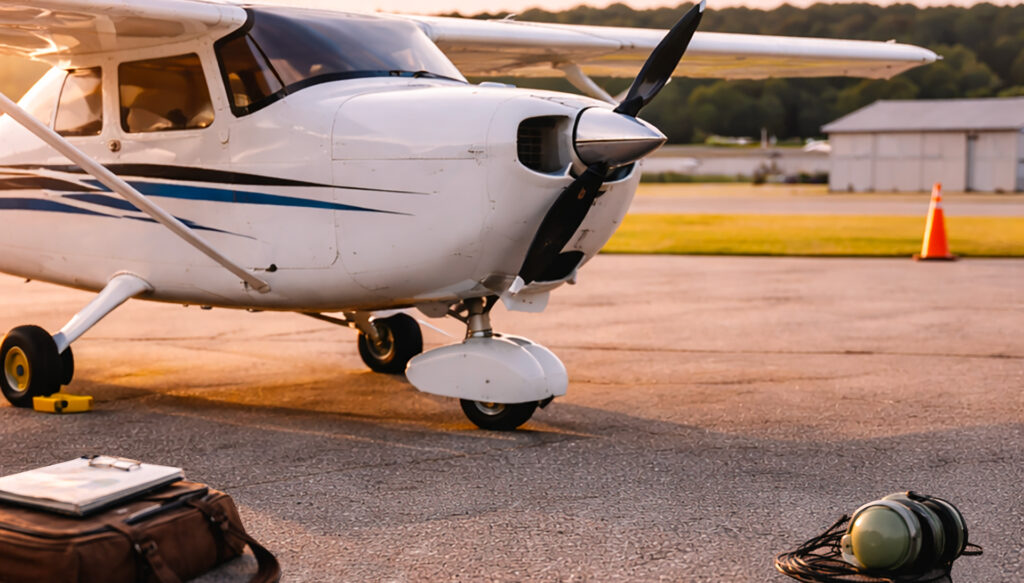
An aircraft sitting on the ground may appear harmless. In reality, grounded aircraft quietly create financial, operational, and training consequences that can ripple through an entire flight school.
Understanding the true cost of downtime is essential for schools looking to operate efficiently and grow sustainably.
Downtime Is More Than a Maintenance Issue
Aircraft downtime is often viewed as a maintenance inconvenience rather than a business problem. But every grounded aircraft affects more than just the maintenance schedule.
When an aircraft is unavailable, lessons are canceled or delayed, instructor schedules are disrupted, and students lose training momentum. Over time, these disruptions reduce the number of billable flight hours and create scheduling bottlenecks across the operation.
Lost Revenue Adds Up Quickly
A training aircraft only produces revenue when it is flying. Each day it sits idle represents unrealized income.
Even short maintenance delays can result in fewer completed lessons, missed training milestones, and reduced aircraft utilization.
The Impact on Students and Instructors
Downtime doesn’t just affect finances. Students rely on consistency to make progress, and repeated cancellations can slow development and increase frustration. Instructors also experience schedule instability.
Opportunity Cost: What Could That Aircraft Be Doing?
An aircraft sitting on the ground still carries fixed costs such as insurance, hangar or tie- down fees, financing obligations, and depreciation.
Why Fleet Strategy Matters
Leasing offers an alternative approach. With partners like Eye Candy Aviation, schools operate aircraft as their own while reducing exposure to long, financially disruptive maintenance events.
Reliability Supports Growth
Reliable aircraft availability supports consistent lesson scheduling, faster training completion, and improved student satisfaction.
Rethinking the Cost of Idle Aircraft
By taking a broader view of downtime and fleet strategy, flight schools can make informed decisions that keep aircraft flying, students progressing, and operations stable.